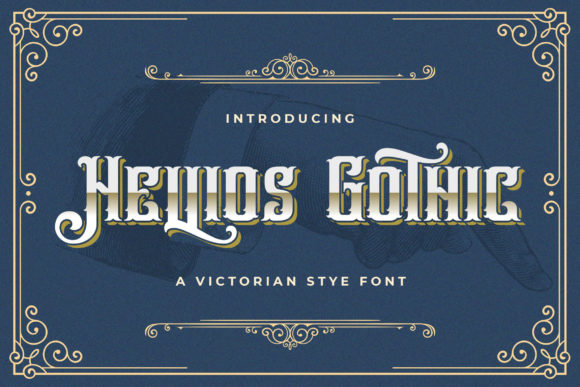
Hellios Gothic: Elevating Design with Victorian-Inspired Blackletter
In an era where digital interfaces and minimalist aesthetics often dominate the visual landscape, there remains a powerful demand for typography that commands attention through history, texture, and bold character. Hellios Gothic emerges as a striking solution for designers, creators, and business owners seeking to inject a sense of authenticity and daring into their projects. This typeface is not merely a collection of glyphs; it is a stylistic statement rooted in the ornate traditions of the past while remaining functional for modern applications.
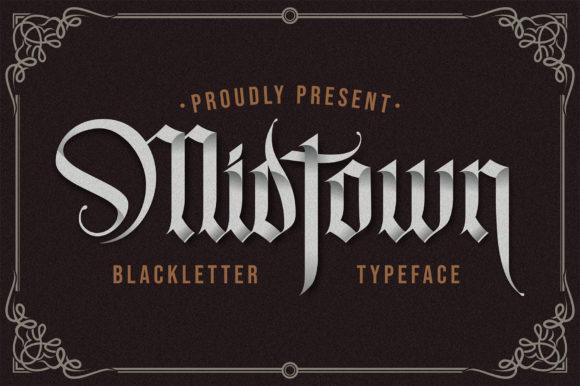
Designed with an incredibly authentic blackletter aesthetic, Hellios Gothic draws direct inspiration from the Victorian era—a time of industrial revolution, intricate craftsmanship, and dramatic artistic expression. By bridging the gap between historical reverence and contemporary design needs, this font offers a unique value proposition for those looking to stand out in a crowded marketplace. Whether you are labeling artisanal spirits, designing vintage-inspired packaging, or crafting exquisite apparel, understanding the nuances of Hellios Gothic can significantly elevate your creative output.
The Essence of Victorian Elegance
To appreciate the utility of Hellios Gothic, one must first understand its historical context. The Victorian era was characterized by a love for the elaborate, the detailed, and the substantial. Typography during this period often featured heavy serifs, complex ligatures, and dense letterforms that conveyed authority and tradition. Hellios Gothic captures this spirit without succumbing to the legibility issues that often plague true medieval blackletter scripts.
The font’s name itself suggests a fusion of elements: "Hellios" evokes the sun, light, and perhaps a classical grandeur, while "Gothic" references the sharp, angular lines of Northern European calligraphy. The result is a typeface that feels both ancient and immediate. It possesses a weightiness that anchors designs, providing a visual anchor that draws the eye and holds it. For creators, this means that any text set in Hellios Gothic immediately carries a subconscious association with quality, heritage, and craftsmanship.
Key Characteristics and Features
When evaluating Hellios Gothic for a specific project, several distinct features define its character:
- Dense Stroke Weight: The letters are thick and robust, making them ideal for headlines and display purposes where impact is paramount.
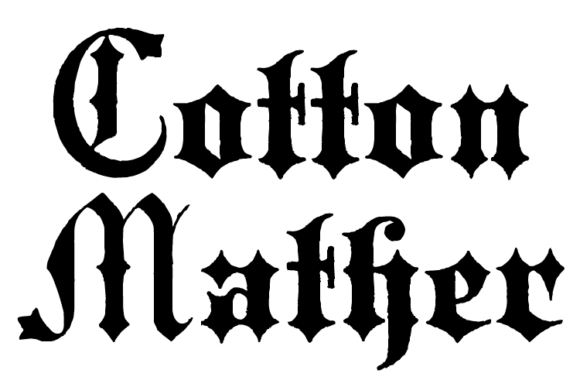
- Authentic Ornamentation: Unlike simplified gothic fonts, Hellios Gothic retains the intricate details that make blackletter distinctive, including sharp terminals and varied stroke widths.
- Versatile Legibility: While decorative, the font maintains enough clarity to be readable at larger sizes, ensuring that your message is not lost in the style.
- Historical Accuracy: The design avoids the cartoonish or overly stylized interpretations of blackletter, offering instead a refined look that respects its origins.
These characteristics make Hellios Gothic particularly effective in scenarios where atmosphere is as important as information. It sets a tone before the user even reads the content, signaling that the product or service associated with it is premium, thoughtful, and distinct.
Practical Applications in Modern Design
The versatility of Hellios Gothic extends across various industries, proving that historical fonts have a vital role in modern branding and design. Below are some of the most effective ways to utilize this typeface in real-world scenarios.
Spirits and Beverage Labeling
One of the most prominent uses of Hellios Gothic is in the spirits industry. Craft breweries, distilleries, and winemakers often rely on packaging to tell a story about their product’s origin and quality. A whiskey bottle or a craft beer label featuring Hellios Gothic instantly communicates a sense of tradition and robust flavor profiles. The dark, heavy lines of the font complement the rich colors typically found in alcohol packaging—deep browns, blacks, golds, and burgundies—creating a cohesive and luxurious visual identity.
For example, a small-batch gin producer might use Hellios Gothic for the brand name on a dark glass bottle, paired with delicate botanical illustrations. The contrast between the bold, gothic text and the fine-line artwork creates a sophisticated balance that appeals to consumers looking for premium, handcrafted goods.
Vintage Product Packaging
The trend toward nostalgia in consumer goods has never been stronger. From organic skincare brands to retro-style candy wrappers, businesses are increasingly turning to vintage aesthetics to evoke feelings of trust and familiarity. Hellios Gothic serves as an excellent tool for achieving this look. Its Victorian roots allow designers to create packaging that feels timeless rather than dated.
Consider a coffee roaster aiming to highlight the single-origin nature of their beans. Using Hellios Gothic for the primary logo on a kraft paper bag can suggest a connection to old-world trade routes and traditional roasting methods. This application leverages the font’s ability to convey heritage, enhancing the perceived value of the product without needing extensive marketing copy.
Exquisite Apparel and Fashion
Fashion is another domain where Hellios Gothic shines. Streetwear brands, luxury fashion houses, and independent designers frequently use bold typography to make statements. The daring nature of the font makes it suitable for graphic tees, hoodie prints, and embroidered patches. When used on apparel, the font adds an edge of rebellion mixed with elegance, appealing to consumers who appreciate unique, statement-making clothing.
Moreover, the font’s strong visual presence works well on tags and labels sewn into garments, adding a touch of exclusivity. A high-end denim brand might use Hellios Gothic on the back pocket patch to signify durability and classic style, reinforcing the brand’s identity through subtle typographic choices.
Evaluating Suitability and Limitations
While Hellios Gothic is a powerful tool, it is not a universal solution. Understanding its limitations is crucial for effective design. As a display font, it is best suited for headlines, logos, and short phrases rather than body text. Attempting to set long paragraphs in Hellios Gothic can lead to reader fatigue due to the density of the letterforms and the complexity of the shapes.
Pairing Strategies
To maximize the effectiveness of Hellios Gothic, designers should pair it with simpler, more neutral typefaces. A clean sans-serif or a highly readable serif font can serve as the body text, allowing the blackletter font to take center stage in headings. This contrast ensures that the design remains accessible and easy to navigate while still benefiting from the dramatic flair of the gothic style.
For instance, a website landing page for a bespoke furniture maker might use Hellios Gothic for the main headline ("Handcrafted Heritage") but switch to a lightweight sans-serif for the descriptive text. This approach guides the user’s eye effectively, highlighting key messages while maintaining readability.
Color and Context Considerations
The success of Hellios Gothic also depends heavily on color and context. Because the font is visually heavy, it requires ample white space (or negative space) to breathe. Cluttered backgrounds can make the intricate details of the letters disappear, reducing legibility. Additionally, high-contrast color combinations—such as white text on a black background or gold on navy blue—tend to enhance the font’s dramatic qualities.
Creators should also consider the medium of reproduction. When printing on textured papers or embossing onto materials, the fine details of Hellios Gothic may need to be adjusted to ensure they remain visible. Digital screens generally render the font well, but low-resolution outputs might blur the sharper angles, so testing proofs is always recommended.
Who Benefits from Hellios Gothic?
This typeface is particularly beneficial for a range of professionals and enthusiasts:
- Graphic Designers: Those working on branding projects for clients in the food, beverage, or fashion industries will find Hellios Gothic invaluable for creating memorable visual identities.
- Small Business Owners: Entrepreneurs launching niche products can use the font to differentiate themselves from competitors using generic, modern fonts. It signals attention to detail and a commitment to quality.
- Hobbyist Creators: Individuals creating custom merchandise, such as t-shirts, mugs, or posters, can leverage Hellios Gothic to add a professional, polished look to their personal projects.
- Web Developers: While not suitable for body copy, web developers can implement Hellios Gothic via CSS for hero sections or special announcements, adding a unique flair to digital experiences.
Conclusion
Hellios Gothic represents more than just a stylistic choice; it is a bridge between the ornate past and the dynamic present. By incorporating this Victorian-inspired blackletter font into your designs, you tap into a rich vein of cultural resonance that speaks to authenticity, craftsmanship, and boldness. Whether you are labeling a bottle of rare whiskey, designing a vintage-inspired t-shirt, or crafting a luxury brand identity, Hellios Gothic offers the perfect blend of historical charm and modern impact.
As you explore the possibilities of this typeface, remember to respect its strengths and limitations. Use it sparingly for maximum effect, pair it wisely with complementary fonts, and ensure that your context supports its dramatic nature. In doing so, you will unlock the full potential of Hellios Gothic, creating designs that are not only visually stunning but also deeply meaningful and engaging for your audience.