Unlock Bold Typography with Rowney Kahfi
When you are designing a poster, laying out a brand identity, or simply trying to make a blog post stand out on a crowded screen, the right typeface can be the difference between a project that feels flat and one that demands attention. This is where Rowney Kahfi enters the conversation. It is not just another decorative font; it is a bold, thick-lettered blackletter typeface designed for impact. But beyond its striking visual appearance, what makes this font particularly useful for modern designers and creators is its technical foundation: it is PUA encoded.
If you have ever struggled with accessing special glyphs, ligatures, or alternate characters in standard fonts, understanding PUA encoding will change how you work with display type. For those who appreciate the historical weight of Gothic script but need the flexibility of modern digital workflows, Rowney Kahfi offers a robust solution. Let’s explore what this font actually is, why its encoding matters, and how different types of users might integrate it into their daily projects.
What Is Rowney Kahfi?
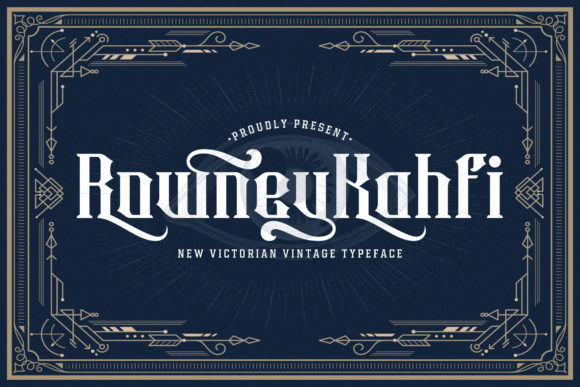
At its core, Rowney Kahfi is a display typeface characterized by heavy strokes and sharp angles typical of the blackletter tradition. Blackletter, often associated with medieval manuscripts and traditional German typography, conveys a sense of history, authority, and boldness. However, unlike older historical reproductions that might feel rigid or difficult to read at small sizes, Rowney Kahfi is engineered for contemporary use. It is thick, confident, and visually arresting.
The defining feature for developers and advanced typographers is that the font is PUA encoded. PUA stands for Private Use Area. In simple terms, standard fonts usually map characters to specific Unicode points (like 'A' being U+0041). However, when a font includes hundreds of unique glyphs, ligatures, ornaments, or stylistic alternates, they may not fit into the standard Unicode allocation. Instead, these extra characters are placed in the Private Use Area of the font file.
This means that while the basic alphabet works like any other font, the "amazing glyphs and ligatures" mentioned in the product description require a slightly different approach to access. You cannot simply type them using a standard keyboard shortcut. Instead, you must use character maps, OpenType features, or specific input methods to call up these hidden gems. Once accessed, however, the result is a level of detail and customization that standard fonts simply cannot match.
Why Encoding Matters for Different Users
The value of PUA encoding varies significantly depending on your role and technical comfort level. Here is how different groups within the creative and business spectrum might evaluate Rowney Kahfi.
For Beginners and Casual Creators
If you are new to graphic design or typography, the concept of PUA encoding might initially seem intimidating. You might wonder if this adds unnecessary complexity to your workflow. The reality is nuanced. On one hand, accessing the full range of Rowney Kahfi’s features requires you to learn how to use your operating system’s Character Viewer or your design software’s glyph panel. This is a learning curve.
On the other hand, once you understand how to open the glyph palette, the barrier to entry drops significantly. You do not need to code anything. You simply click the symbol you want, and it appears. For beginners, this can actually be a valuable educational step. It teaches you that fonts are more than just letters; they are libraries of graphical elements. Using Rowney Kahfi can help you develop an eye for detail and an appreciation for the depth available in high-quality typefaces.
For Experienced Designers and Professionals
For seasoned professionals, PUA encoding is often a sign of quality rather than a hurdle. Professional designers know that standard Unicode sets are limited. When working on branding projects, album covers, or event posters, the ability to swap out a standard letter for a highly ornate ligature or a decorative initial can elevate the entire composition. Rowney Kahfi provides this flexibility.
Professionals appreciate that the font is "thick" and "bold." In a digital landscape saturated with thin, minimalist sans-serifs, a heavy blackletter font commands space. It is ideal for headlines, logos, and short bursts of text where legibility is less critical than visual impact. The ease of accessing glyphs via the PUA allows for rapid prototyping of complex typographic layouts without needing custom vector illustrations for every decorative element.
For Educators and Hobbyists
Educators teaching design history or calligraphy might find Rowney Kahfi useful as a bridge between traditional art forms and digital media. It allows students to experiment with Gothic aesthetics without needing years of practice in hand-lettering. Hobbyists involved in crafting, scrapbooking, or creating custom merchandise can also benefit. The bold nature of the font ensures that text remains readable even when printed on textured materials or scaled down for stickers and tags.
Practical Applications Across Industries
To determine if Rowney Kahfi matches your goals, consider where bold, historical typography adds value. Here are some practical examples of how this font can be utilized across different sectors.
- Event Marketing: For music festivals, especially those in rock, metal, or folk genres, Rowney Kahfi provides an instant thematic connection. The thick lettering suggests energy and tradition. Add a few of the PUA-encoded ornamental ligatures to the header to create a unique logo mark that stands out on social media feeds.
- Restaurant and Hospitality Branding: Breweries, gastropubs, and artisanal bakeries often lean into heritage aesthetics. A menu header or a taproom sign using Rowney Kahfi can convey authenticity and craftsmanship. The bold weight ensures readability from a distance, while the unique glyphs add a touch of exclusivity.
- Editorial and Publishing: Bloggers and magazine editors looking to break up text-heavy articles can use Rowney Kahfi for pull quotes or section headers. The contrast between modern body text and the historic display font creates visual interest and guides the reader’s eye through the content.
- Small Business Logos: Entrepreneurs launching brands in niches like woodworking, leatherworking, or vintage restoration can use this font to signal quality and durability. The thickness of the letters implies sturdiness, aligning well with products made from solid materials.
Evaluating Cost, Quality, and Long-Term Usefulness
When investing in a font license, several factors come into play. Rowney Kahfi is positioned as a premium tool for those who need distinctive type. The cost reflects the extensive library of glyphs included in the PUA encoding. Unlike free fonts that offer only basic Latin characters, this font provides a comprehensive set of alternatives that save time in the long run.
Quality and Reliability: The construction of the glyphs is crucial. In blackletter fonts, poor spacing or inconsistent stroke weights can make text look messy. Rowney Kahfi is designed to maintain balance despite its boldness. This reliability is essential for professional output, ensuring that your designs look polished whether viewed on a mobile screen or printed on a large banner.
Flexibility and Presentation: The primary advantage here is presentation. If your goal is to create a memorable visual identity, the unique character set of Rowney Kahfi offers a distinct advantage over generic options. It allows for a higher degree of customization without the need for expensive custom illustration work. For freelancers and agencies, this translates to faster turnaround times and more unique deliverables for clients.
Is Rowney Kahfi Right for You?
Determining whether to add this font to your toolkit depends on your specific needs. If you primarily work with body copy or data visualization, the bold, decorative nature of Rowney Kahfi may not be suitable. It is a display font, meant to be seen, not read in paragraphs.
However, if you frequently create headings, logos, posters, or branded content, and you value the ability to access a wide array of decorative elements easily, then Rowney Kahfi is a strong candidate. The PUA encoding, while requiring a brief learning period, ultimately unlocks a wealth of creative possibilities. It allows you to treat typography as a design element in its own right, adding layers of texture and history to your digital and print projects.
By understanding the strengths of this font—its bold aesthetic, its rich glyph set, and its technical accessibility—you can make an informed decision. Whether you are a marketer looking to boost engagement, a designer seeking inspiration, or a business owner wanting to establish a strong brand presence, Rowney Kahfi offers the tools to make your message bold, clear, and unforgettable. Add it confidently to your projects, and you will likely find that the results speak for themselves.